The most common problems when curing gel - causes and solutions
Three most common photopolymerization problems: undercured product (thick layer, weak lamp, heavily pigmented gels), color and physical change (quartz diodes), burning during curing - with solutions.

1. Undercured product - why does it happen?
This is one of the most common problems. An undercured gel, base or top can cause mass detachment, air bubbles or allergies. There may be several causes.
Too thick product layer
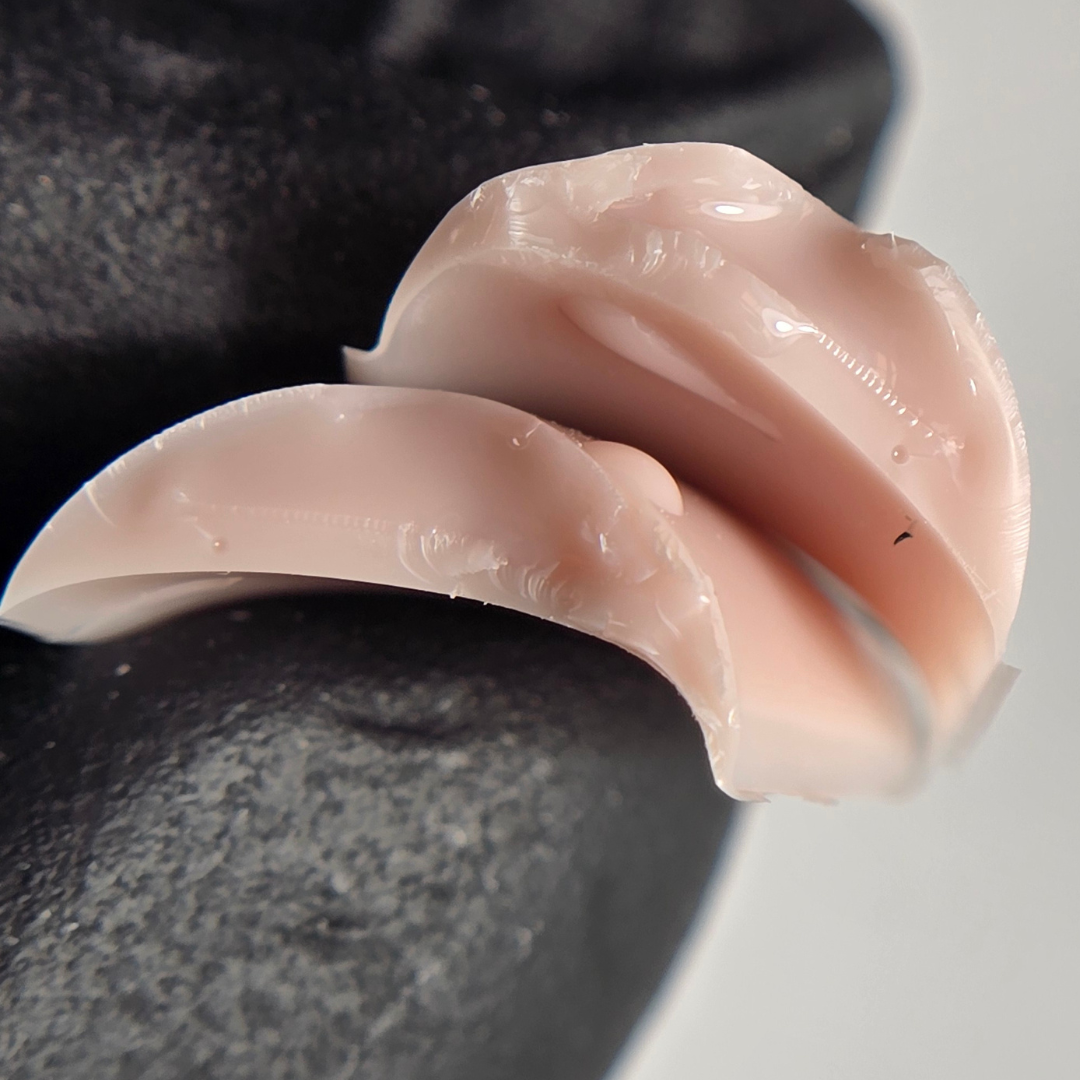
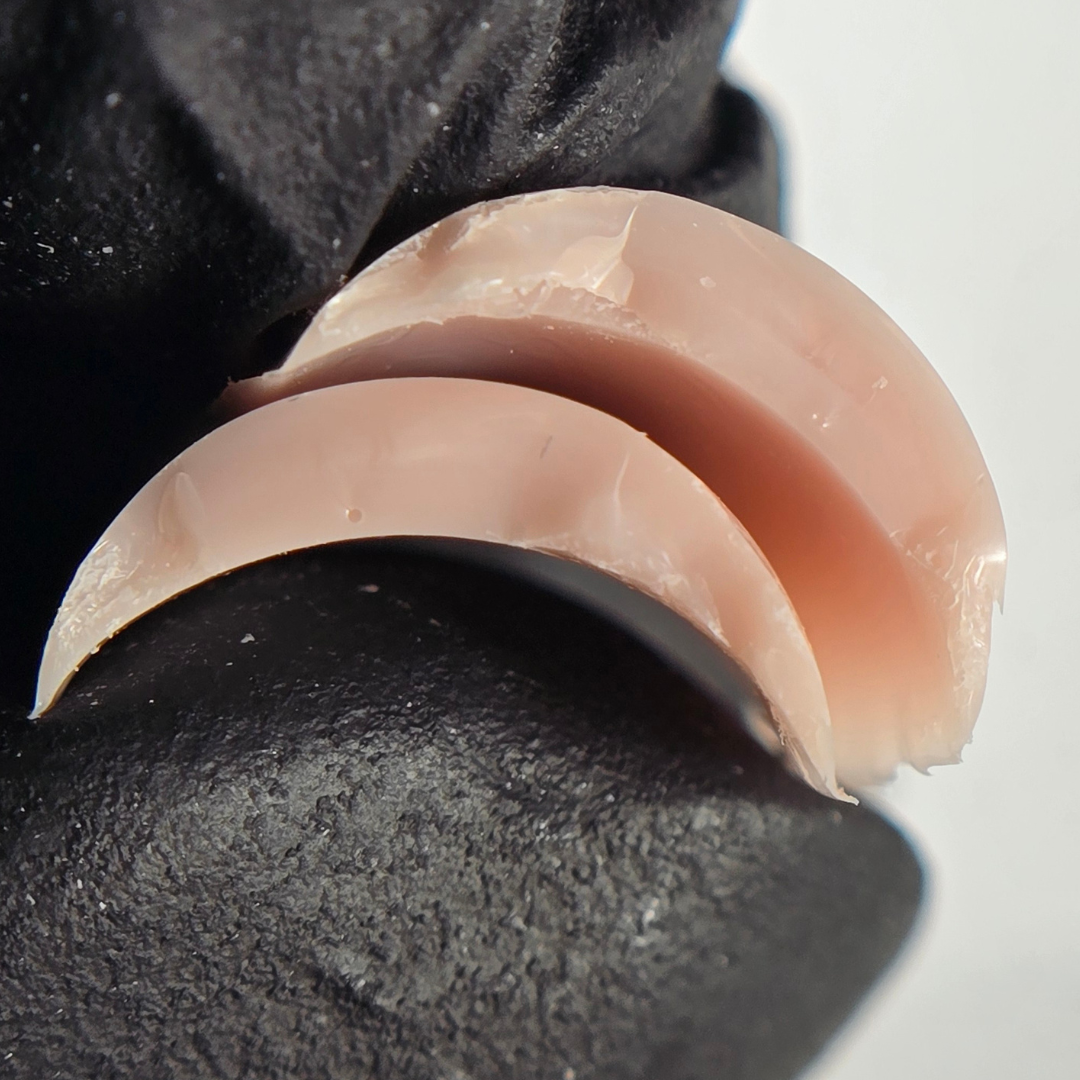
Applying too large an amount of material (e.g. when trying to build a high apex in one layer) means that light doesn’t penetrate into the depth of the gel. Even the best lamp cannot cure the entire volume of mass.
Solution: build the nail in stages - thin layers allow for even and effective curing.
Too weak a lamp
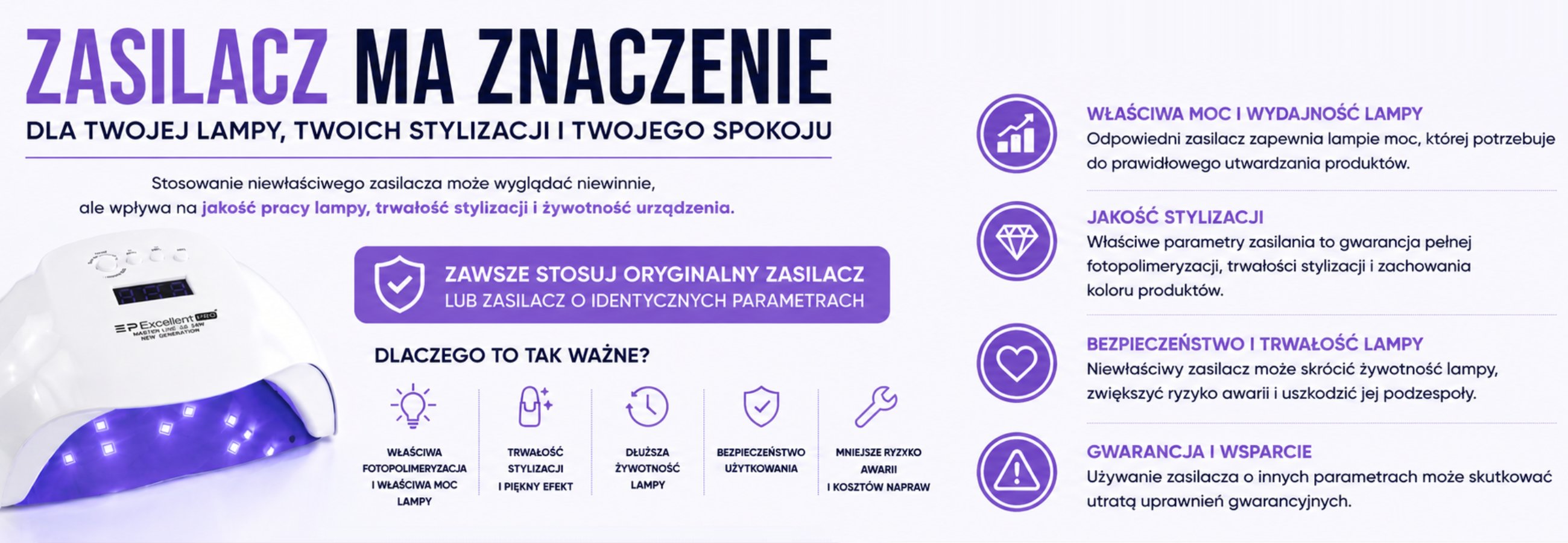
Excellent PRO products were developed with Master Line 54W lamps in mind. For 36 W or 48 W lamps, it’s necessary to extend the curing time according to the manufacturer’s table.
Remember: too short a time in a weaker lamp = undercured product.
Using heavily pigmented gels
90% coverage gels are designed for a thin color layer - not for large build-up/correction of convex nails. Their task is to quickly achieve a nice, covering effect at the cuticles. A thicker layer of such a gel limits light penetration, which results in a soft, sticky middle of the nail.
Solution: use heavily covering gels only where you actually need intense color.
2. Change of color and physical parameters of the product
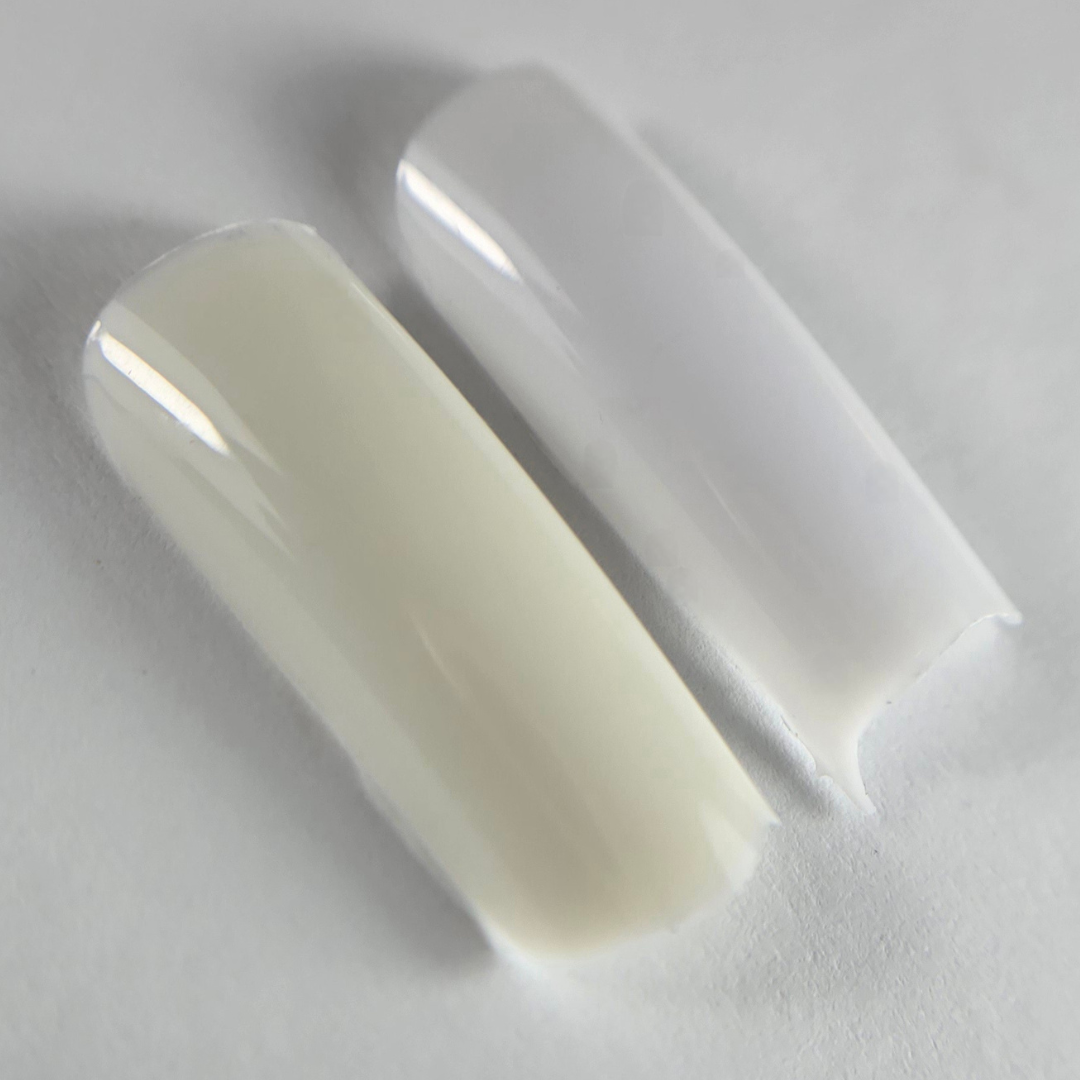
Another common problem is yellowing, loss of pink tone or excessive brittleness of the mass. If your gel suddenly becomes glass-hard and breaks easily - too strong a lamp may be to blame.
Too high lamp power or with quartz diodes
Quartz diodes emit different light than standard LEDs. Using them with the same curing times leads to over-polymerization of the product - that is, too violent or prolonged chemical reaction.
Effects:
- color change (yellowing or graying)
- loss of elasticity
- gel becomes brittle and fragile
Solution: adjust the curing time to the lamp power. Too strong a lamp = shorter time.
Tip: new photoinitiators such as TPO-L are more sensitive to technical errors - check the parameters carefully before curing the product.
3. Discomfort and burning during curing
A client reports that her nails “burn” in the lamp? This is also a frequent effect of incorrect polymerization.
Too thick product layer
A larger amount of gel means more heat generated during the curing reaction. The thicker the layer, the stronger the burning sensation.
Weakened nail plate
A filed or damaged nail plate conducts heat faster, causing the client to feel greater discomfort.
Too strong a lamp or violent reaction start
Lamps with quartz diodes or high power initiate the polymerization process very quickly. For thin gels (e.g. Hard Liquid Gel, All-in-One, Polyamide Fiber Gel), the reaction occurs instantly so that the product doesn’t spread before curing.
Side effect: rapid temperature increase and burning sensation.
How to counter this:
- turn on the Low Heat Mode function
- cure in stages (e.g. cycle 2s, 2s, 60s)
- don’t overdo the amount of material - thin layers are the key to comfort
Summary
Proper curing of light-cured products is not only a matter of the lamp, but also of working technique, layer thickness and product type. Remember that:
- every lamp works differently
- heavily pigmented gels require special care
- client comfort also depends on your technique and accuracy
A well-chosen lamp, proper times and thin layers = beautiful, durable and safe styling.
Check exact curing times of all Excellent PRO products in Master Line and alternative UV/LED lamps, or compare gels in the interactive comparison tool.