Lamps for the stubborn - what to look for when choosing a UV/LED lamp
Four key elements of a UV/LED nail lamp: wavelength (365/405 nm), diode type (first generation, non-quartz), lamp power (48-54 W) and diode arrangement. A practical guide without elaborate descriptions.
This post was created for those who want to quickly and concretely find out what to look for when choosing a UV lamp for nail styling, why the Excellent PRO lamp meets the key requirements and what factors determine the correct course of photopolymerization.
Without elaborate descriptions - just facts.
Below you’ll find the 4 most important elements that have a real impact on whether light-cured products will be correctly cured.
1. Type and wavelength of light
Effective photopolymerization depends directly on the wavelength range emitted by the diodes in the lamp and the photoinitiators in the product correctly matched to them.
Light band in Excellent PRO lamps: 365 nm, 405 nm.
2. Diode type
Excellent PRO lamps use first-generation diodes (non-quartz).
Quartz diodes are stronger, but their intensity can cause yellowing of milky products and color changes in pigments, especially in light and pastel styling.
3. Lamp power and product curing time
The curing time of light-cured products depends, among other things, on the lamp’s power.
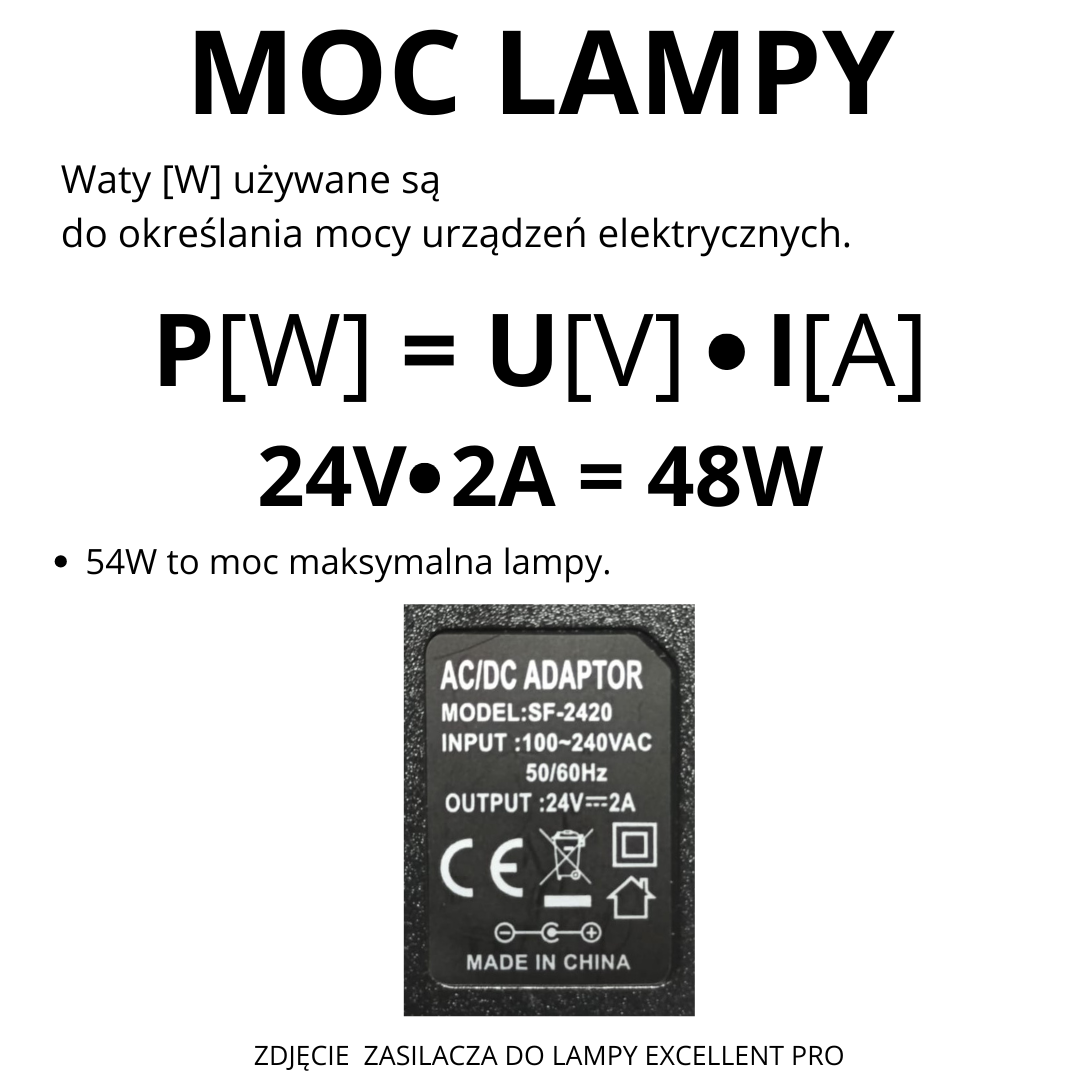
Excellent PRO products are tested in lamps with 48-54 W power.
Example curing times in Excellent PRO lamps:
- Light French Pink - 60 seconds
- Cloud Mousse Marshmallow - 60 seconds
- Grafen Base - 60 seconds
- Top No Wipe - 60 seconds
EXCELLENT PRO PRODUCT CURING TIMES TABLE - click here.
For lower-power lamps, it’s necessary to use the manufacturer’s curing table, which precisely specifies how long a given product needs to be cured in a weaker device.
4. Diode arrangement and distance from the nail
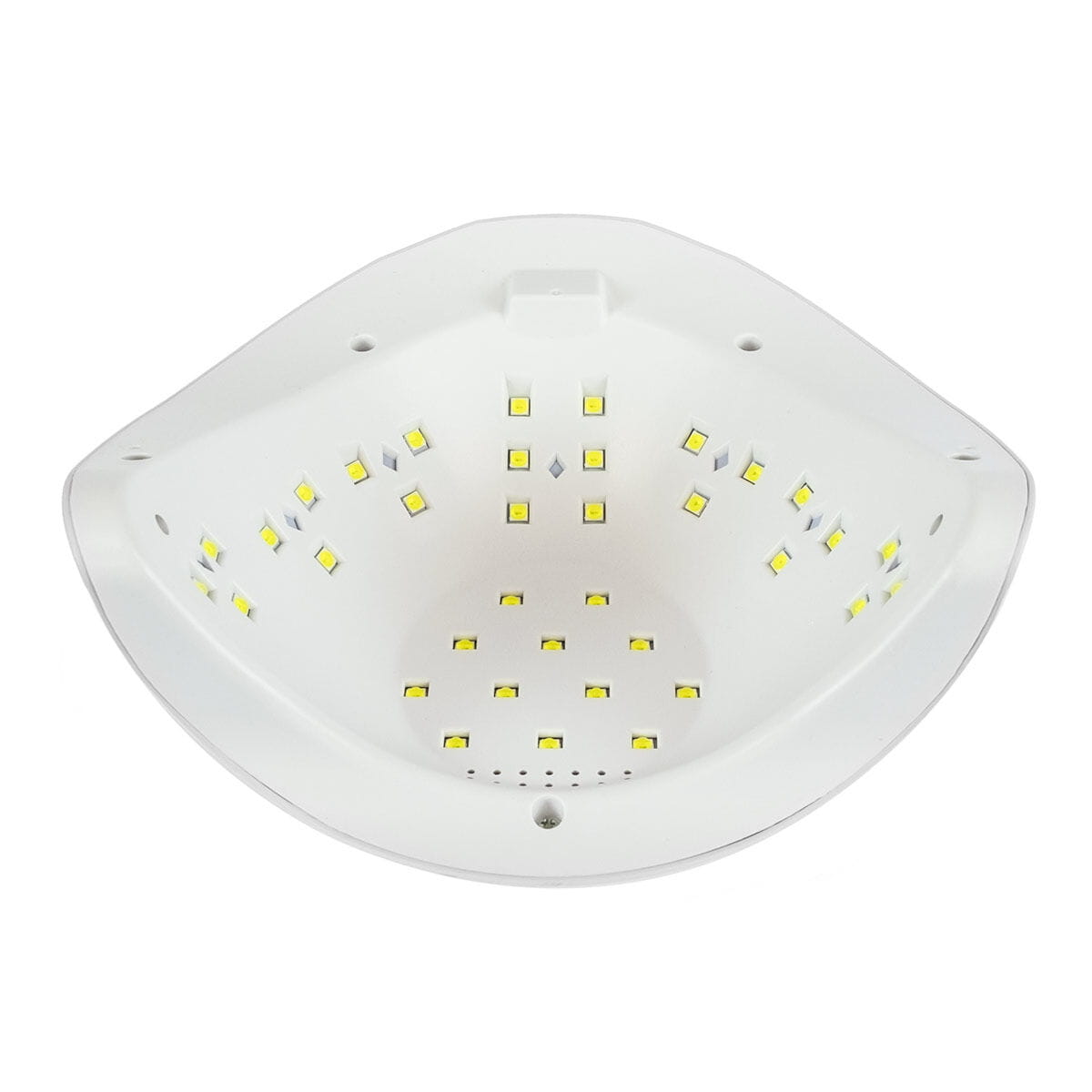
The arrangement of the diodes in the lamp and the distance between the diodes and the nail plate is equally important.
Too great a distance causes a drop in light intensity, which can lead to incomplete curing of the product.
Want to know more?
If you want to deepen your knowledge, learn the details of how UV/LED lamps work and thoroughly understand the photopolymerization process, we invite you to a more elaborate post in which the topic was discussed step by step: About photopolymerization and compatibility in a stylist’s daily work.
Check the full curing times of all Excellent PRO products for every lamp or compare gels in the interactive comparison tool.